
LFP Battery Supplier for South Africa: What Buyers Need to Know Before They Order

South Africa's energy storage market is growing faster than almost anywhere else in the world. But sourcing the right LFP battery supplier from overseas is a process most buyers get wrong the first time — and pay for it long after the shipment arrives.
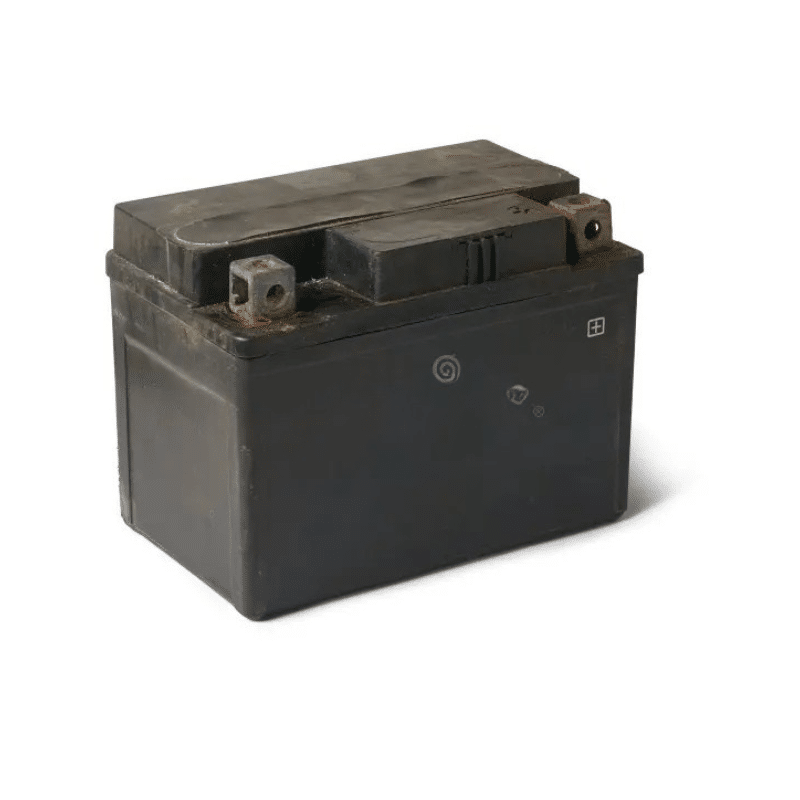
LFP battery energy storage systems are now central to South Africa's renewable energy buildout. Sourcing the right supplier determines how that investment performs over the next decade.
I've spoken to enough buyers on the South African side of this transaction to know how the story usually goes. The order looks fine on paper — certified product, reasonable price, delivery timeline that seems workable. Then the shipment arrives, something doesn't line up, and the process of figuring out what to do next is far more complicated than it needed to be.
This guide is about avoiding that situation. South Africa's battery storage market is genuinely one of the most active in the world right now, which means there are more suppliers competing for your business than ever — and more ways to choose the wrong one.
Why South Africa Is a Difficult Market to Source Batteries For
Before getting into supplier selection, it's worth understanding what makes the South African market specifically complicated for overseas procurement.
Load shedding has driven a surge in residential and commercial demand for backup power and solar storage — demand that came on quickly and outpaced many local distributors' ability to supply it. At the same time, South Africa's import regulations, certification requirements, and logistics infrastructure create real friction that buyers further north in the region don't always face to the same degree.
Shipments into Durban or Cape Town ports go through customs inspection processes that require correct documentation from the outset. A CE certificate that isn't accompanied by proper IEC 62619 test reports for the specific model being imported can hold a shipment. The cost of getting this wrong — in demurrage, re-inspection, or outright rejection — regularly exceeds the value of whatever discount made the supplier attractive in the first place.
The Certification Question: What South Africa Actually Requires
This is where most sourcing conversations go wrong early. Ask a supplier if their batteries are certified, and almost all of them will say yes. The real question is: certified to what standard, for which specific product, and verified by whom?
For LFP batteries entering South Africa, the baseline international standards are IEC 62619 (safety for secondary lithium cells and batteries in stationary applications) and UN38.3 (transport testing for lithium batteries shipped by air or sea). These aren't optional — any legitimate ocean or air freight of lithium batteries requires UN38.3 documentation tied to the exact product being shipped.
CE marking matters less in the South African context than buyers often assume. CE is a European Union conformity mark. It tells you the product meets EU safety directives. It doesn't automatically translate into compliance with South African import requirements or local grid connection standards set by the National Energy Regulator of South Africa (NERSA).
The verification step most buyers skip: go to the certification body's website and enter the certificate number. Every legitimate certificate from TUV, SGS, or Bureau Veritas is searchable publicly. If it doesn't come up, the document has been altered or the certificate doesn't exist in the form you've been given it.
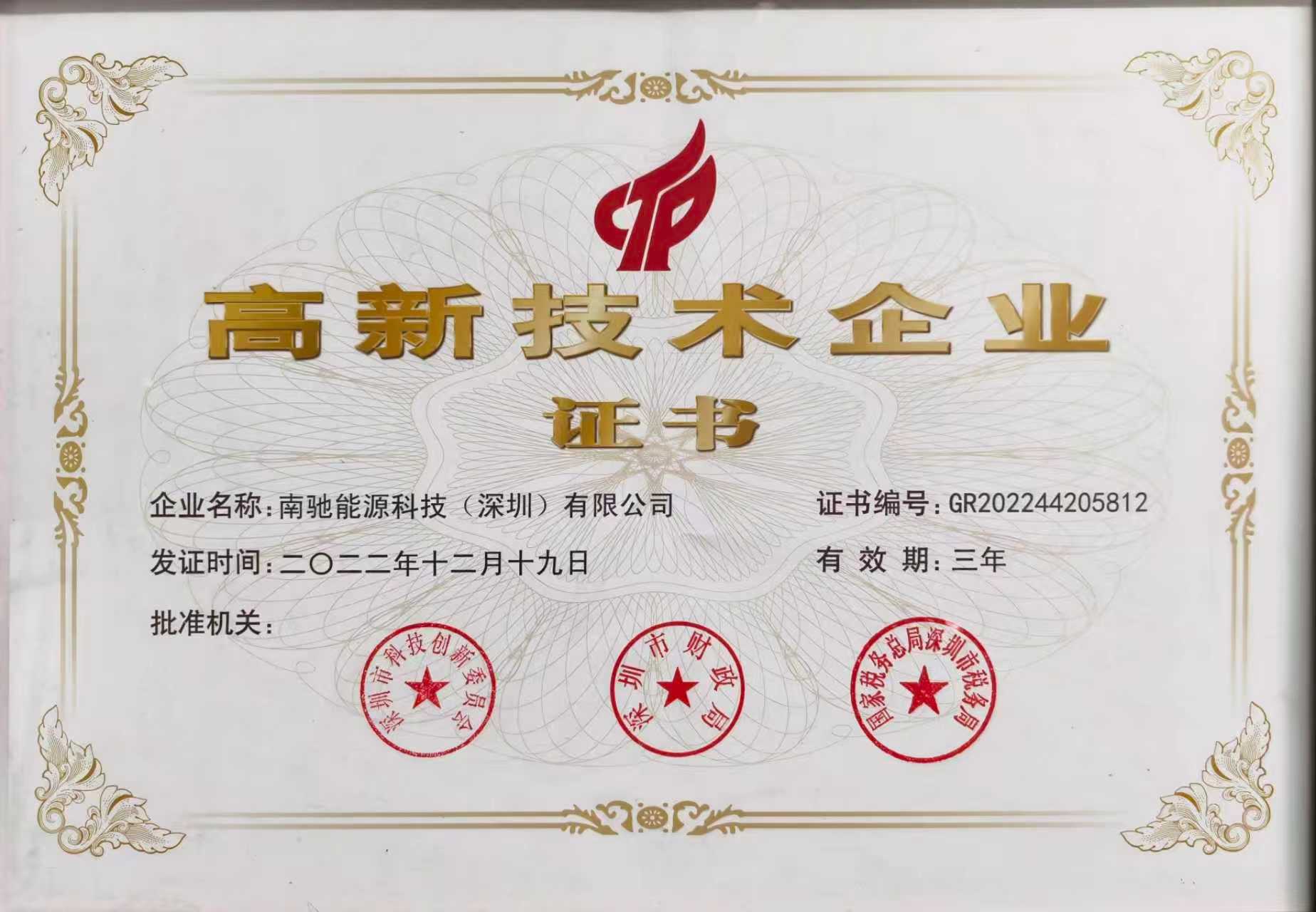
Certification documents should be specific to the model and capacity being ordered — not generic brand-level certificates.
Factory vs. Trading Company: A Distinction That Matters More in This Market
South Africa's geographic distance from Chinese battery manufacturing adds a layer of consequence to this distinction that buyers in, say, Southeast Asia don't face quite as acutely. When something goes wrong with a shipment — a batch with degraded cells, incorrect BMS settings, physical damage in transit — the time and cost of resolving it is a function of how much direct control your supplier actually has over the product.
A trading company can broker a replacement or a credit. What they generally cannot do is tell you exactly what went wrong at the cell level, adjust the manufacturing parameters on the next batch, or provide the kind of technical diagnosis that helps you understand whether the issue is isolated or systemic.
The practical way to tell the difference isn't complicated, but it requires asking the right questions directly. Ask what happens if you need a non-standard voltage configuration. Ask to speak with a battery engineer about cell chemistry. Ask for the production facility address and verify it against satellite imagery. A legitimate manufacturer handles all three without friction. A trading company stalls, hedges, or puts you through to a sales team that can't answer technical questions.
What "Reliable" Actually Means for South African Buyers
Reliability in this context isn't a personality trait — it's a set of specific, verifiable commitments. The best LFP battery supplier for South Africa is the one whose reliability can be confirmed before you transfer any money, not discovered afterward.
Lead time transparency
Most suppliers quote production time. Actual delivery to South Africa includes production, quality inspection, export documentation, ocean freight (typically 25–35 days from Chinese ports to Durban), and customs clearance. The real-world timeline is consistently longer than quoted, and buyers who haven't built this into their project schedules are the ones calling frantically when their installer is waiting on site.
Warranty that works at distance
A warranty that requires returning failed units to China is not a practical warranty for South African buyers. The cost of return freight and re-import duties on lithium batteries typically exceeds the replacement value of the units themselves. Before placing any order, ask specifically whether warranty claims can be resolved based on photographic evidence, video, and test data — without mandatory return shipping. If the answer is no, factor that into the true cost of the product.
After-sales communication
This sounds soft but it isn't. Buyers in South Africa have repeatedly described the same experience: pre-sale communication is fast and responsive, post-sale communication becomes slow and vague when there's a problem. Ask for references from existing buyers in Africa or other long-haul markets. A supplier who can connect you with a customer who's had an issue and resolved it successfully is telling you something real.
48V LFP Batteries: The Most Common Specification for South Africa's Market
The 48V system voltage has become the de facto standard for residential and small commercial solar storage installations in South Africa, for good reason. It sits at a practical balance point between system safety and energy throughput, works with the majority of hybrid inverter brands sold in the region, and supports meaningful capacity in a single battery bank without requiring high-voltage expertise to install.
For buyers sourcing wholesale or distributing to installers, the 48V 100Ah and 48V 200Ah LFP configurations represent the bulk of market demand. A 48V 200Ah battery at 51.2V nominal delivers approximately 10kWh of usable capacity — enough for a meaningful overnight load buffer in a residential application, and a useful building block for commercial systems.
For the South African market specifically, thermal performance matters more than buyers from temperate climates often expect. LFP batteries operate across a wide temperature range, but the BMS should be configured for high ambient temperatures that can occur in non-air-conditioned installations — particularly in the Northern Cape and Limpopo regions where solar irradiance is highest and temperatures can spike significantly.
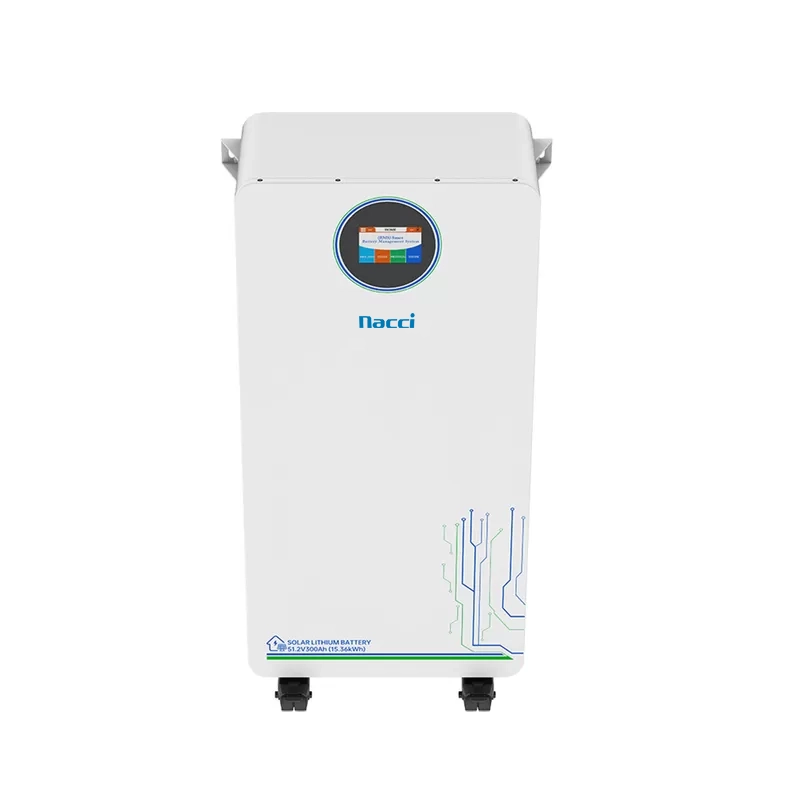
48V LFP battery systems are the most widely specified format for residential and small commercial solar installations across South Africa.
A Practical Supplier Evaluation Checklist
Use this before committing to any LFP battery supplier for South Africa. Every item on this list is verifiable before you place an order.
- IEC 62619 test report confirmed for the specific model and capacity ordered
- UN38.3 transport certificate confirmed for the product as it will be shipped
- Certificate numbers independently verified on the issuing lab's public portal
- Factory audit report obtained or live production floor walkthrough completed
- Engineering contact who can answer cell chemistry and BMS questions provided
- Written production schedule included with order confirmation
- Freight forwarder named for South Africa routing and transit times confirmed
- Warranty claim process confirmed in writing — specifically whether return shipping is required
- References from existing buyers in Africa provided and contacted
- Payment terms confirmed for first order and for scaled future orders
Frequently Asked Questions
What certifications does an LFP battery need to be imported into South Africa?
At minimum, IEC 62619 for the battery as a stationary storage product and UN38.3 for transport compliance. CE marking is relevant if the product is also sold into European markets, but it does not substitute for South African import compliance documentation. For grid-connected commercial applications, check current NERSA requirements for the specific installation type.
What is the realistic lead time for LFP batteries shipped to South Africa from China?
Production time is typically 4–6 weeks. Add 25–35 days for ocean freight to Durban, plus customs clearance which can range from a few days to several weeks depending on documentation completeness and port volumes. Plan for a minimum of 10–14 weeks from order confirmation to product in hand. Build a 30–50% buffer on any supplier-quoted timeline.
Is 48V LFP the right specification for South Africa solar projects?
For most residential and small commercial installations up to 30–50kWh, yes. The 48V system voltage is compatible with the majority of hybrid inverters available in South Africa and is within the safe extra-low voltage (SELV) threshold for residential installation without high-voltage specialist requirements. For larger commercial projects, high-voltage systems (typically 100V–500V) offer efficiency advantages worth evaluating.
How do I verify that a Chinese battery supplier is a real manufacturer?
Request the company's business licence (营业执照) and check whether it lists manufacturing scope. Ask to speak with a battery engineer — not a sales representative — about cell chemistry or BMS configuration. Request a video walkthrough of the production facility. Search the company address in Google Maps satellite view. Legitimate manufacturers handle all of these requests without hesitation.
What warranty terms should I negotiate for LFP batteries supplied to South Africa?
A minimum of 2 years on manufacturing defects, with claims resolvable based on photographic and test data evidence — not conditional on return shipping to China. Return freight from South Africa to China for lithium battery products is costly and logistically complex; a warranty requiring it is not practically usable. Confirm in writing before order placement.
What is the minimum order for LFP batteries from a reputable manufacturer?
Genuine manufacturers typically offer 1–5 unit sample orders for technical evaluation before a commercial order. First commercial orders of 20–100 units are common for new buyer relationships. Suppliers requiring 500+ units as a minimum for new buyers are often trading companies working at volume — they have less flexibility and less accountability when issues arise.
Sourcing LFP Batteries for South Africa?
Naccius manufactures LFP cells, 48V battery systems, and custom BESS solutions with full IEC 62619 and UN38.3 documentation. We work directly with distributors, solar installers, and project developers across South Africa and the broader African market — with flexible MOQ for new buyers and warranty terms that work at distance.
Request a Quote or Sample