







Solar Batteries vs. Grid Energy Storage Batteries — What’s the Real Difference?
Before making any purchasing decision, it’s critical to understand that solar batteries and grid energy storage batteries are designed for completely different use cases. Mixing them up is one of the most common — and costly — mistakes buyers make.
| Dimension | Solar Batteries | Grid Energy Storage Batteries |
|---|---|---|
| Application Scenario | Off-grid / Weak-grid areas | On-grid / Strong-grid systems |
| Operating Logic | Store energy during the day, use at night | Charge during low tariffs, discharge during peak prices |
| Environmental Requirements | High heat & dust resistance | Stable, controlled environments |
| System Complexity | Relatively simple | Complex grid-interactive control |
| Cost Focus | Durability & adaptability | Safety & long-term lifespan |
03.
In simple terms
Solar batteries are built to survive harsh environments and unstable power conditions, while grid energy storage batteries are designed to interact safely and efficiently with the power grid.
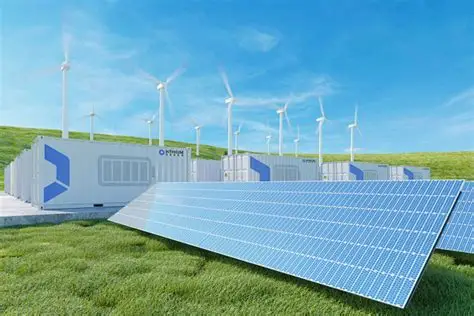
1. Common Solar Battery Specifications
From real-world project experience, most solar energy storage systems fall into the following categories:
48V systems (most common for residential and small commercial projects)Low-voltage, stackable or modular designs
Typical capacity range:
5 kWh
10 kWh
15 kWh
20 kWh
Important buyer insight:
Bigger capacity does not automatically mean better performance. System matching is far more important than simply choosing a larger battery.
2. Suitable Operating Temperature for Solar Batteries
This temperature range applies globally, regardless of country:
Ideal operating temperature:
15°C – 30°CAcceptable long-term operating range:
-10°C – 45°CExtreme limits (not recommended for long-term use):
-20°C – 55°C
In many regions such as Africa, the Middle East, and South America:
Outdoor temperatures often exceed 40°C
Battery rooms frequently lack air conditioning
If the battery’s thermal design is inadequate, its lifespan can be reduced by half.
3. Key Points Buyers Must Focus on When Purchasing Solar Batteries
From years in the industry, these are the issues that matter most:
Cell consistency is more important than brand name
Check whether the system supports high-temperature derating operation
Ensure the BMS is optimized for off-grid operation, not grid-tied logic
Common Purchasing Mistakes to Avoid
Choosing based only on specifications, without considering the actual application
→ Real-world lifespan will be far shorter than advertisedUsing “indoor-only” batteries in high-temperature regions
→ Extremely common in Africa; expected 3-year life becomes 1 yearUsing grid-tied storage batteries in off-grid solar systems
→ BMS logic mismatch leads to high failure ratesIgnoring transportation and installation conditions
→ No issues at delivery, problems appear within six monthsNot clarifying after-sales support and warranty responsibility
→ When problems occur, no one takes responsibility
Countries Leading in Solar Battery Production
Battery Cell Manufacturing Origins
China
South Korea (limited high-end supply)
Japan (high cost, low volume)
System Integration & Finished Products
China (global core supplier)
Parts of Southeast Asia (mainly contract manufacturing)
Industry reality:
More than 80% of global solar energy storage systems rely on Chinese supply chains at their core.
Grid Energy Storage Batteries: Specifications, Production Countries, and Buyer Pitfalls
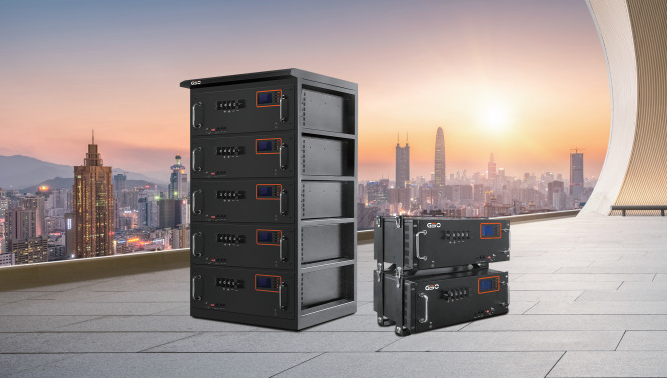
1. Common Characteristics of Grid Energy Storage Batteries
High-voltage systems (100V–1500V)
Strong emphasis on cycle life
Multiple grid safety and compliance certifications
Highly integrated system architecture
Typical Applications
Commercial & industrial peak shaving
Microgrids
Electricity price arbitrage
2. Main Producing Countries for Grid Energy Storage Systems
China (dominant manufacturing base)
Europe (system integration)
United States (software & EMS development)
Note:
Many European and U.S. brands still rely on Chinese battery cells, combined with local system design.
3. Four Critical Pitfalls in Grid Energy Storage Procurement
Ignoring grid-connection standard differences
→ Each country has unique grid compliance requirementsChoosing low prices while neglecting safety redundancy
→ Grid-connected failures carry serious riskForcing solar BMS logic into grid energy storage systems
→ Control logic conflicts are inevitableOverlooking long-term operation and maintenance costs
→ Lower upfront cost often leads to higher lifetime expense
Conclusion
Batteries are not ordinary consumer goods, but core components of energy systems.


Choosing the right application scenario is more important than choosing the lowest price.


Choosing the right solution is more important than choosing a well-known brand.


Before making any decision, every buyer should clearly answer the following three questions:


1 Where will it be used?


2 What will the environment be like?


3 What is the expected lifespan?


Answering these three questions can avoid at least 80% of common purchasing mistakes.