

Best Lithium Marine Batteries for Boats and Watercraft
Switching to a lithium marine battery is one of the best upgrades you can make for your boat. Less weight, longer life, and zero maintenance. Here’s what you need to know before you buy.
- LiFePO4 marine batteries last 3,000–5,000 cycles — 5–8× longer than lead-acid
- Up to 60% lighter than AGM or flooded lead-acid alternatives
- Built-in BMS protects against overcharge, over-discharge, and extreme temperatures
1. What is a Lithium Marine Battery?
A lithium marine battery uses LiFePO4 (lithium iron phosphate) chemistry to store and deliver power on boats and watercraft. Unlike lead-acid batteries, they don’t leak, don’t need maintenance, and hold steady voltage until nearly empty.
They’re designed to handle the vibration, moisture, and deep cycling demands of marine environments — and they do it at half the weight of traditional options.
2. LiFePO4 vs Lead-Acid Marine Batteries
The difference is significant. Here’s a direct comparison across every spec that matters to boat owners.
| Spec | Lead-Acid / AGM | LiFePO4 Lithium |
|---|---|---|
| Cycle Life | 300–500 cycles | 3,000–5,000 cycles |
| Weight (100Ah) | ~28–32 kg | ~12–14 kg |
| Usable Capacity | 50% (can’t go below 50%) | 80–100% |
| Charge Time | 8–16 hours | 2–4 hours |
| Maintenance | Regular — water top-up, terminals | Zero maintenance |
| Voltage Stability | Drops as battery drains | Stays flat until nearly empty |
| Leakage Risk | Yes — acid spill risk | No — fully sealed |
| Lifespan | 2–4 years | 8–12+ years |
| Cost Per Cycle | Higher over time | Lower over time |
3. What to Look for When Buying a Marine Lithium Battery
Not all lithium marine batteries are built the same. Check these five things before buying.
- BMS (Battery Management System) — must be built in. Protects against overcharge, over-discharge, short circuit, and extreme temperatures.
- IP Rating — for marine use, look for IP55 or higher to handle spray and moisture.
- Cycle life rating — minimum 2,000 cycles at 80% DoD. Quality units rate 3,000–5,000.
- Weight — half the weight of lead-acid means better boat balance and fuel efficiency.
- Compatibility — confirm the voltage matches your existing charger and onboard systems.
4. How Long Do Lithium Marine Batteries Last?
LiFePO4 marine batteries outlast lead-acid by a significant margin. Here’s what to expect under real conditions.
| Battery Type | Cycle Life | Years (Daily Use) | Capacity at End of Life |
|---|---|---|---|
| Flooded Lead-Acid | 300–500 | 2–3 years | Fails abruptly |
| AGM Lead-Acid | 400–600 | 3–4 years | Fails abruptly |
| LiFePO4 Standard | 2,000–3,000 | 6–8 years | ~80% retained |
| LiFePO4 Premium | 3,000–5,000 | 8–12+ years | ~80% retained |
Three factors affect how long your marine lithium battery lasts:
- Depth of discharge — staying above 20% charge extends cycle life significantly
- Temperature — operate and store between 0°C–45°C for best results
- Charging method — always use a LiFePO4-compatible charger
5. Best Applications for Lithium Marine Batteries
LiFePO4 batteries work across all types of watercraft and marine setups.
6. NACCI Marine Battery Recommendations
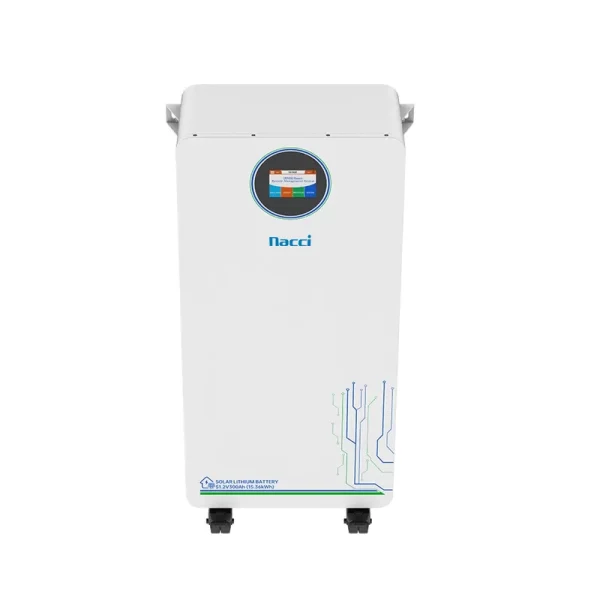
NACCI’s LiFePO4 batteries replace lead-acid in marine and commercial applications — same footprint, half the weight, 8× the cycle life. OEM and bulk orders available direct from factory.
Cycle Life: >3,500 cycles
BMS: Built-in protection
Application: Marine, boat, deep cycle
Drop-in replacement for lead-acid
Capacity: 100Ah / 200Ah
Cycle Life: >4,000 cycles
BMS: Integrated smart BMS
Stackable / modular design
Need a Custom Marine Battery Solution?
OEM, bulk orders, and custom voltage/capacity available. Factory-direct pricing with global shipping.
Contact NACCI →7. FAQ
Yes — as long as the voltage matches. Most 12V, 24V, and 48V LiFePO4 batteries are drop-in replacements for lead-acid in the same footprint. You’ll also need a LiFePO4-compatible charger, as lead-acid chargers use a different charge profile that can shorten lithium battery life.
LiFePO4 is the safest lithium chemistry available. It doesn’t produce toxic fumes, doesn’t leak acid, and has a much lower risk of thermal runaway compared to other lithium types. All NACCI batteries include a built-in BMS that prevents overcharging, over-discharging, and short circuits.
It depends on your load. A 100Ah LiFePO4 battery running a 100W trolling motor gives approximately 12 hours of runtime. Because you can use 80–100% of the capacity (vs 50% for lead-acid), a 100Ah lithium battery effectively delivers the same usable power as a 200Ah lead-acid battery.
Quality LiFePO4 marine batteries rated at 3,000–5,000 cycles will last 8–12 years with typical weekly marine use. Even at end of life, they retain approximately 80% of original capacity rather than failing suddenly like lead-acid. Proper storage and avoiding full discharge extend life further.
Yes. NACCI accepts OEM, white-label, and bulk orders directly from the factory. Custom voltage, capacity, and casing are available depending on order volume. Contact us with your specifications for a factory quote within 24 hours.