

Latest Electric Vehicle Battery News: April 2026 Roundup
The EV battery industry is moving faster than ever. From 5-minute charging to solid-state breakthroughs and new supply chain partnerships, here are the 10 most important stories you need to know right now.
1. Geely’s 900V Golden Brick Battery Smashes 5-Minute Charging Record
What Happened
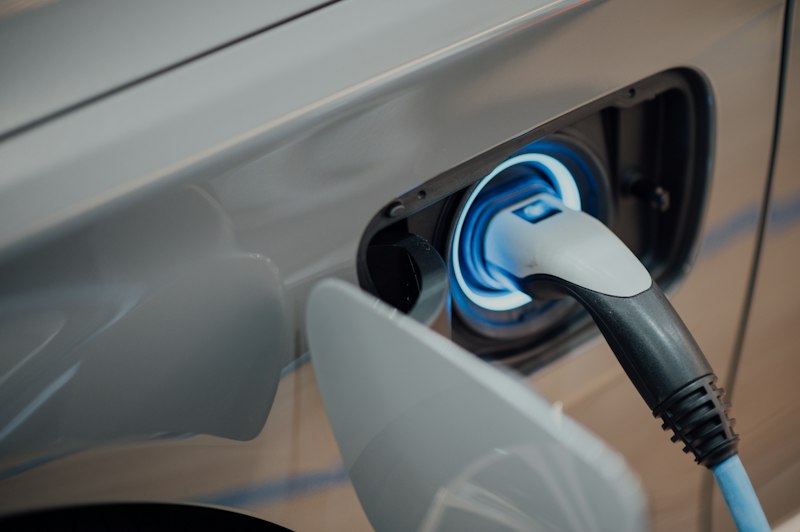
Geely’s Lynk & Co brand unveiled its 900V Energee Golden Brick Battery, charging from 10% to 70% in just 4 minutes 22 seconds and 10% to 80% in 5 minutes 32 seconds — beating BYD’s own flash charging record. Peak power hit 1,100 kW during testing.
Why It Matters
This sets a new global benchmark for production EV charging speed, putting serious pressure on every other automaker — including Tesla.
2. Tesla Adds China’s Sunwoda as Its 5th Global Battery Supplier
What Happened
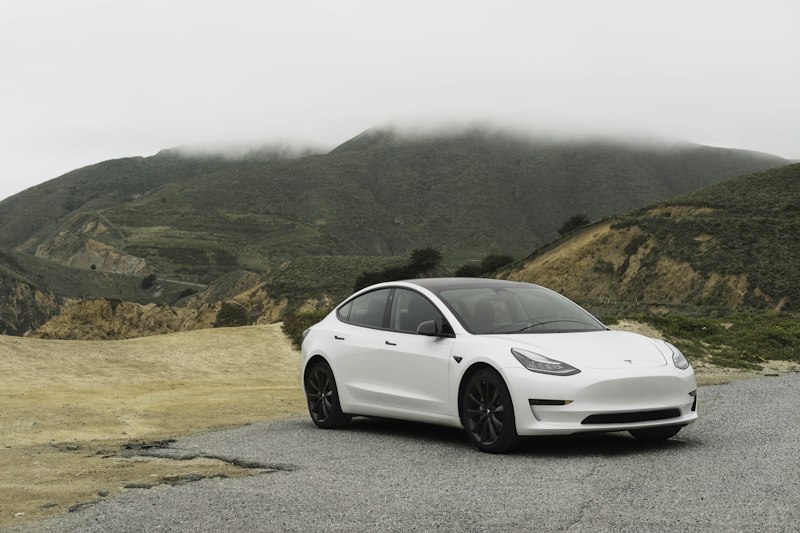
Tesla has quietly added Sunwoda EVB to its global battery supply chain, making it Tesla’s fifth supplier alongside CATL, Panasonic, LG Energy Solution, and BYD. Batteries are already shipping from Sunwoda’s Yiwu factory for Tesla Shanghai-made vehicles exported overseas.
Key Detail
Sunwoda supplies 3C LFP cells only — Tesla handles its own module and pack assembly, a departure from its CATL arrangement. The move is driven by margin pressure as Tesla’s automotive gross margins fell to ~15.4% in 2025.
3. BYD Chief Scientist: Solid-State EV Batteries at “Critical Stage”
What Happened
At a technology conference on April 7, BYD Group chief scientist Lian Yubo stated that all-solid-state EV batteries have entered a “critical stage” of development, while acknowledging that ion stability and lithium dendrite growth remain the two main hurdles before commercialization.
Timeline
BYD plans limited batch production of sulfide-based solid-state cells in 2027, scaling to mass production around 2030.
4. CATL Solid-State Battery Progress: Patent Filed, Pilot Production Started

What Happened
CATL filed a new solid-state battery patent with WIPO in March 2026, detailing a solid sulfide electrolyte design. The company has begun pilot production of solid-state cells with an energy density of 500 Wh/kg — double most current lithium-ion packs.
Road to Market
CATL is currently at maturity level 4 and targets level 7–8 by 2027, meaning automotive-grade cells ready for pilot vehicle integration.
Want to learn more about how next-generation battery technology affects your energy storage options? Read our battery technology guide on the Nacci Blog .
5. Sodium-Ion Battery Breakthrough: 11-Minute Charge, 450 km Range
What Happened
BAIC Group revealed a sodium-ion EV battery delivering a 450 km CLTC range with 4C ultra-fast charging — full charge in approximately 11 minutes. CATL’s Naxtra sodium-ion cells also became the first to pass China’s new GB 38031-2025 safety standards.
Why It Matters
Sodium-ion batteries use no lithium, cobalt, or nickel — making them dramatically cheaper and more supply-chain resilient. Mass production EVs are now targeted for mid-2026.
6. SAIC Deploys Semi-Solid-State Batteries Across MG and IM Vehicle Range
What Happened
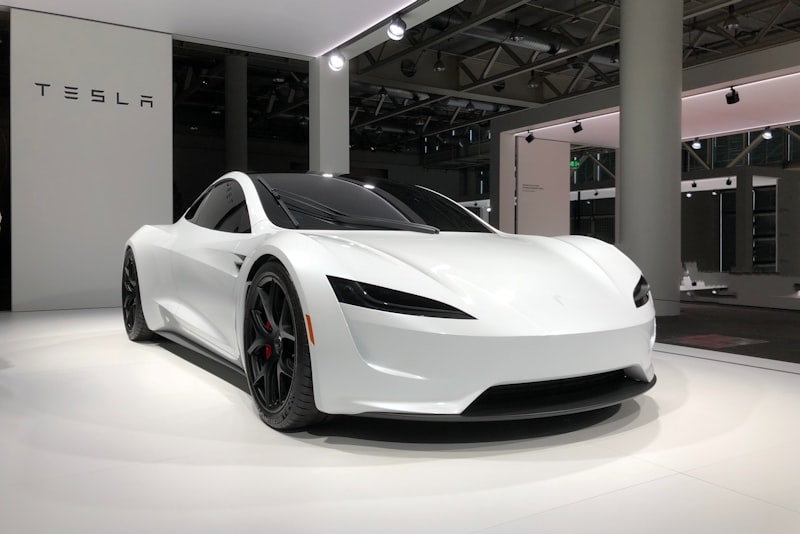
SAIC is rolling out semi-solid-state batteries across its MG and IM vehicle ranges in 2026. The MG4 Anxin Edition already delivers a 530 km CLTC range using a 53.95 kWh manganese-based pack with only 5% liquid electrolyte.
Charging Performance
30% to 80% DC fast charge in approximately 20 minutes — a strong balance of range, safety, and charging speed for mainstream buyers.
7. China’s Superfast Charging Race: How Chinese EVs Are Pulling Ahead
What Happened
BYD plans to build 20,000 megawatt flash charging stations by end of 2026. Geely already has 10,212 charging piles across 215 cities. Both brands now offer <10 minute 10%-to-80% charging in production vehicles.
The Gap with the US
American EVs are still largely limited to 150–350 kW peak charging speeds, while Chinese vehicles routinely hit 500–1,100 kW. The infrastructure and battery chemistry gap is widening fast.
8. CATL Captures 45.54% of China’s Battery Market in March 2026
What Happened
CATL’s China market share hit 45.54% in March 2026, with BYD in second at 17.83%. South Korean battery makers (LG, SK On, Samsung SDI) saw their combined global share fall to just 15%.
Global Dominance
In the first two months of 2026, global EV battery usage reached 134.9 GWh (+4.4% YoY), with CATL growing from 38.7% to 42.1% global market share.
9. New Electrolyte Could Double EV Battery Range in Cold Weather
What Happened
Chinese researchers have developed a new cold-hardy lithium battery electrolyte that maintains performance at extreme low temperatures. In testing, it could effectively double the usable range of EVs in freezing conditions — a long-standing pain point for EV adoption in northern markets.
Status
Currently at research stage, but the formulation is designed for compatibility with existing manufacturing processes, making commercialization more feasible.
Looking for a battery that already performs in tough conditions? Explore Naccius battery products built for real-world reliability .
10. EV Battery Management System Market Projected to Hit $24.9 Billion by 2033

What Happened
The global EV Battery Management System (BMS) market is projected to reach $24.9 billion by 2033, driven by the electrification boom, smart battery innovation, and increased vehicle connectivity. BMS technology is now a key differentiator — controlling charging speed, thermal management, and lifespan.
Opportunity
As battery packs grow more complex (solid-state, sodium-ion, multi-cell), demand for intelligent BMS solutions — including AI-based predictive management — is accelerating sharply.
Frequently Asked Questions: Electric Vehicle Batteries
What is the fastest EV charging speed available in 2026?
Geely’s Lynk & Co currently holds the production record, charging from 10% to 80% in 5 minutes 32 seconds using its 900V Energee Golden Brick Battery at 1,100 kW peak power. BYD’s Mega Watt Flash Charging also achieves 10%–70% in 5 minutes.
When will solid-state EV batteries be available to consumers?
Most major manufacturers — including BYD, CATL, Toyota, and Volkswagen — target limited batch production by 2027 and mass-market availability around 2030. Semi-solid-state batteries (like SAIC’s current models) are already in production vehicles today.
Are sodium-ion batteries better than lithium-ion for EVs?
Sodium-ion batteries offer key advantages: no lithium, cobalt, or nickel, lower cost, better cold-weather performance, and improved safety. However, they currently have lower energy density. They are ideal for urban EVs and energy storage applications where cost matters more than maximum range.
Why is CATL so dominant in the EV battery market?
CATL controls the full supply chain — from cell chemistry R&D to manufacturing and recycling. With a 45.54% share of the Chinese market and over 42% globally, it benefits from massive scale, ongoing R&D investment, and deep OEM partnerships with Tesla, BMW, Mercedes, and dozens of Chinese brands.
What does Tesla adding Sunwoda mean for EV battery prices?
It signals Tesla is actively diversifying supply to reduce battery costs. More competition among suppliers typically pushes prices down. Sunwoda’s 3C LFP cells also support faster charging, which could unlock new Tesla model features in 2026–2027.
What is the difference between LFP and NMC batteries in EVs?
LFP (Lithium Iron Phosphate) offers better safety, longer cycle life, and lower cost — making it ideal for everyday commuter EVs and energy storage. NMC (Nickel Manganese Cobalt) offers higher energy density for longer range but costs more and degrades faster. Most new Chinese EVs now use LFP by default.
How does cold weather affect EV battery performance?
Cold temperatures slow lithium-ion chemistry, reducing available range by 20–40% in extreme conditions and increasing charging time. New cold-hardy electrolyte research (2026) aims to solve this. Currently, pre-conditioning your battery before charging in cold weather helps significantly.